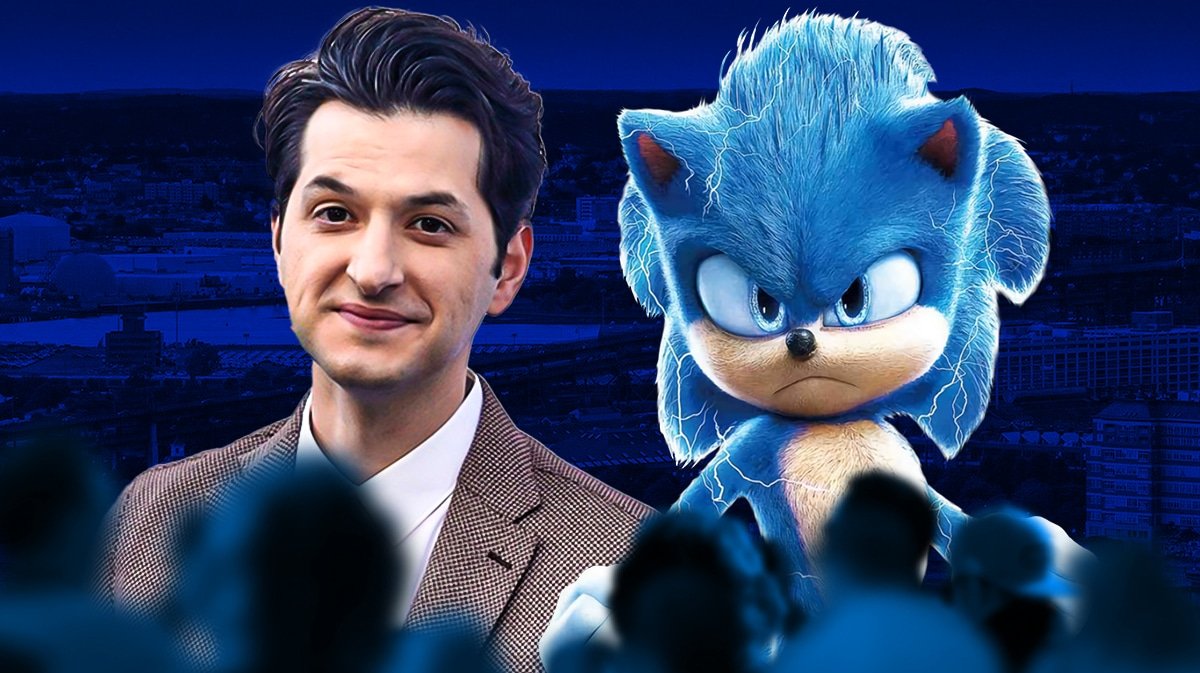
Long before the world knew the blur of blue and the flash of red sneakers, Sega faced a daunting challenge: how do you capture the imagination of a generation and carve out a lead in a fiercely competitive video game market? The answer, as history now loudly proclaims, came in the form of a fast-moving, attitude-filled hedgehog. Indeed, Sonic's Role as the Series Protagonist wasn't just about selling a game; it was about defining a company, challenging a titan, and establishing a cultural icon that continues to resonate decades later.
Sonic wasn't merely a character; he was a strategic declaration. Born from a deliberate effort to embody speed, youth, and rebellion, his very existence as the series' central figure was a bold counter-narrative to the established order. This article will delve into how Sonic’s persona, design, and foundational story elements cemented his position not just as a mascot, but as the pulsating heart of one of gaming’s most enduring franchises.
At a Glance: Understanding Sonic's Core Identity
- The Original Challenger: Created by Sega to directly compete with Nintendo's Mario, embodying a different philosophy.
- Speed Demon with Attitude: Known as the "World's Fastest Hedgehog and Champion of Justice," he was designed for speed and a rebellious personality.
- Iconic Design: Blue fur, peach skin, green eyes (originally black), red sneakers with white stripes and gold buckles, white gloves.
- Unyielding Hero: Fights Doctor Eggman, loves freedom, adventure, and friends; dislikes evil, lies, and confinement.
- Powerful Abilities: Super speed, Chaos Powers, various transformations (Super Sonic, Darkspine Sonic), hand-to-hand combat, and more.
- Multi-Generational Appeal: Spans video games, comics, animated series, and live-action films, securing his place in pop culture.
The Genesis of a Game Changer: Why Sonic Had to Be the Hero
In 1990, Sega's console, the Genesis, was a promising piece of hardware, but it lacked a star. Nintendo's Mario was the undisputed king, a beloved, family-friendly plumber who had captured the hearts of millions. Sega's CEO, Michael Katz, had tried and failed to find a mascot. The stakes were incredibly high, and Sega president Hayao Nakayama knew an internal contest was needed to find a flagship game and a mascot that could truly showcase the Genesis's technological prowess, particularly its processing speed.
This directive set in motion the creative currents that would birth Sonic. Yuji Naka, a programmer, developed a tech demo featuring a character that could roll into a ball and move at incredible speeds. This foundational mechanic perfectly aligned with Sega's desire to highlight the Genesis's speed capabilities. Combined with Naoto Ohshima's character designs and Hirokazu Yasuhara's level concepts, the "Project Sonic" team began to take shape, and what was initially a rabbit concept evolved into a vibrant, blue hedgehog.
Sonic, as the chosen protagonist, was a conscious departure from the norm. His blue hue, matching Sega's logo, wasn't just aesthetic; it was branding. His red and white shoes, famously inspired by Michael Jackson's "Bad" album cover, added a touch of cool. And his personality, drawing inspiration from the confident swagger of Bill Clinton, gave him an edge. This wasn't a humble plumber; this was a "World's Fastest Hedgehog and Champion of Justice" – a hero built for the '90s. Doctor Eggman, also an Ohshima design, became his perfect foil, the mad scientist embodying the antithesis of Sonic's free spirit. Sonic's very existence as the lead character was an act of rebellion, a direct challenge delivered with supersonic speed.
Designing an Icon: Speed, Attitude, and a Dash of Rebellion
Sonic's design wasn't just about aesthetics; it was a manifesto. When you look at Sonic, you see speed in every line: his sleek, aerodynamic form, his perpetually determined expression, and those iconic red sneakers. These weren't merely visual choices; they were functional elements of his protagonist role, communicating his primary ability and purpose at a glance.
His 100 cm (3' 3") height and lean 35 kg (77 lb.) frame further emphasize agility, allowing players to instantly grasp that this character is built for movement, not brute force. The initial black eyes eventually shifting to vibrant green also gave him a more expressive, determined look, reflecting his "Champion of Justice" alignment. This detailed attention to his physical attributes underscored his identity.
Crucially, Sonic's attitude set him apart. He wasn't overtly friendly or unassuming; he was confident, impatient, and perhaps a little cocky. This "cool" factor was deliberate, a stark contrast to the more traditional, wholesome protagonists of the era. His enjoyment of running, adventure, and freedom, coupled with his dislike for slowness, boredom, and confinement, painted a vivid picture of a hero who values self-determination above all else. This persona allowed players to connect with a hero who was not just powerful but also relatable in his desire for excitement and disdain for the mundane. He was the embodiment of Sega's "Welcome to the Next Level" marketing slogan, signaling a new era of gaming with a hero who broke the mold.
From Pixelated Prowess to Polished Protagonist: Sonic's Evolution
Sonic's journey from a 2D pixel sprite on the Sega Genesis to a fully-realized 3D character in modern games is a testament to his enduring protagonist appeal. His first appearance in Rad Mobile as a simple ornament hinted at his potential, but it was his standalone game in 1991 that solidified his role. Making Sonic the Hedgehog a pack-in game with the Genesis, despite initial skepticism from American staff, was a stroke of genius by Tom Kalinske. This decision massively boosted Genesis sales, securing 65% of the North American market share for Sega and establishing Sonic as a household name almost overnight.
The protagonist’s evolution wasn't just visual; it was narrative and auditory. His English voice actors—from Meg Inglima and Ryan Drummond to Jason Griffith and Roger Craig Smith (since 2010)—have each contributed layers to his persona, allowing him to express his bravery, impatience, and occasional wit with greater depth. Similarly, Jun'ichi Kanemaru has voiced him consistently in Japanese since 1998, providing a stable vocal identity in his home country.
His character arc, while consistently focused on battling Doctor Eggman, expanded with the introduction of key allies. Sonic the Hedgehog 2 (1992) brought in Miles "Tails" Prower, adding a loyal sidekick and mechanical genius. Sonic the Hedgehog 3 introduced Knuckles the Echidna, initially an antagonist, then a rival and eventual ally. These characters didn't diminish Sonic's role; they enhanced it, creating Team Sonic and solidifying his position as the leader, the moral compass, and the driving force behind their adventures. Even in games like Sonic & Knuckles, which allowed players to connect cartridges for a combined experience, Sonic remained the central figure, with Knuckles offering an alternative but complementary gameplay experience.
Beyond the Games: Sonic's Narrative and Thematic Role
Sonic isn't just fast; he's the "Champion of Justice." This core tenet of his character elevates him beyond a mere speedster to a hero with a clear moral compass. His alignment is unequivocally "good," and his affiliations with groups like the Kingdom/Republic of Acorn Freedom Fighters and Team Fighters underscore his commitment to defending others.
The narrative consistency across the franchise reinforces Sonic's role. Whether it's the classic 2D platformers or the more recent 3D adventures, Sonic’s primary goal remains the same: stop Doctor Eggman's nefarious plans, which often involve environmental destruction or world domination. This provides a clear, compelling conflict that players can easily grasp and root for. His enjoyment of "saving the world" isn't a chore; it's an extension of his love for freedom and adventure.
Beyond the main villain, Sonic also embodies broader thematic elements. He champions freedom against confinement, environmental preservation against industrialization, and friendship against isolation. His dislike for "evil, lies, losing, deep water (as he cannot swim), slowness, boredom, confinement, and insults to his speed" are not arbitrary preferences; they are foundational aspects of his identity that drive his actions and resonate with players who value similar principles. This deep-seated ethical framework makes him a protagonist that players not only enjoy playing as but also admire.
The Many Faces of the Hedgehog: Abilities, Allies, and Transformations
As a protagonist, Sonic is equipped with a formidable arsenal of skills that define his gameplay and narrative potential. His signature super speed is augmented by abilities like Air Boost, Boost, Double Jump, and Homing Smash, which have become staples of the series. These skills translate directly into fast-paced gameplay that differentiates the Sonic series from its competitors, and it's all centered around his capabilities.
But Sonic's power extends beyond raw speed. He possesses enhanced durability, acrobatic skills, reflexes, strength, and accelerated healing. His hand-to-hand combat skills ensure he's not just a runner but a capable fighter. Furthermore, he is omnilingual, breaking down communication barriers in his diverse world, and possesses an "indomitable will" – a crucial trait for any leading hero facing seemingly insurmountable odds.
Perhaps most iconic are his Chaos Powers, which enable powerful transformations. Super Sonic, his golden, invulnerable form fueled by Chaos Emeralds, is the ultimate expression of his heroic potential, allowing him to tackle the biggest threats. Other transformations like Darkspine Sonic (from Sonic and the Secret Rings) show different facets of his power, proving his versatility as a protagonist capable of evolving and adapting to various narrative contexts. Even skills like Extreme Gear riding, swordsmanship, and piloting, showcased in spin-off titles, highlight his adaptability while always retaining his core personality.
Sonic's Protagonist Journey Through Media: Comics, Cartoons, and the Big Screen
Sonic's reach as a protagonist extends far beyond the console. The Sonic the Hedgehog media franchise is one of the best-selling and highest-grossing globally, with total sales and free-to-play mobile downloads reaching 1.77 billion as of 2024. This expansive presence in printed media, animations, and films demonstrates how his character transcends the gaming medium.
In comic books, publishers like Archie Comics, DC Comics, and IDW Publishing have explored rich, expansive narratives centered around Sonic and his friends. These comics delve deeper into character backstories, expand the world of Mobius, and present moral dilemmas that reinforce Sonic's role as a leader and a champion of justice. Similarly, animated series on platforms like Netflix have introduced Sonic to new generations, often portraying him in comedic, action-packed, or even more dramatic light, yet always maintaining his core traits of speed, courage, and a love for freedom.
The live-action film series from Paramount Pictures has been a monumental success, introducing Sonic to a mainstream global audience. Voiced by actors like Ben Schwartz (in English), Sonic’s on-screen presence perfectly captures his wit, speed, and heartfelt desire to protect his friends and the world. These films not only act as excellent adaptations but also re-affirm Sonic's status as a top-tier protagonist, capable of carrying a blockbuster franchise. From LEGO toys to countless merchandise items, Sonic's image, persona, and role as the ultimate hero are consistently reproduced and celebrated.
Maintaining Momentum: The Enduring Appeal of the Blue Blur
Decades after his debut, Sonic the Hedgehog remains Sega's flagship character. His games, particularly the Genesis era titles, are considered representative of 1990s culture and among the greatest of all time, profoundly influencing the video game industry and popular culture. This continued relevance isn't accidental; it's a testament to the timeless appeal of a fast-paced hero with a strong sense of justice.
Even as the franchise evolves, introducing new gameplay mechanics and exploring different genres (racing, fighting, party, sports spin-offs), Sonic remains the anchor. Crossovers with Mario & Sonic, Sega All-Stars, and Super Smash Bros. further showcase his iconic status, allowing him to interact with other legendary characters while always embodying his unique brand of speed and attitude.
The franchise also boasts an incredibly active fandom, producing unofficial media, which speaks volumes about the emotional connection players have with Sonic. This passionate community helps keep the character alive and relevant, proving that Sonic's initial design as a challenger with an edge still resonates deeply. As the series continues to innovate and push boundaries, for instance with titles like Explore Sonic x Shadow Generations, Sonic's central role as the ultimate speedster and unwavering hero remains steadfast, a beacon of agility and justice in a constantly changing gaming landscape.
The Unwavering Core: What Makes Sonic the Protagonist We Love
Sonic the Hedgehog's role as the series protagonist is far more than just being the main playable character; it's about being the very embodiment of the franchise's identity. From his inception as Sega's answer to Mario, his design, abilities, and even his attitude were meticulously crafted to symbolize speed, freedom, and a rebellious spirit. He was the hero built to challenge the status quo, and that ethos has permeated every aspect of his character and the games he stars in.
His journey through various console generations, across different media, and alongside a growing cast of friends and rivals, consistently reaffirms his position as the leader, the "Champion of Justice," and the indomitable force against Doctor Eggman’s tyranny. What you experience when you play a Sonic game, watch a Sonic movie, or read a Sonic comic, is the consistent vision of a hero who values freedom above all else and isn't afraid to run at top speed to defend it. Sonic’s enduring popularity and iconic status are clear indicators that his role as the series protagonist was not just a successful experiment, but a masterstroke that shaped a legend.