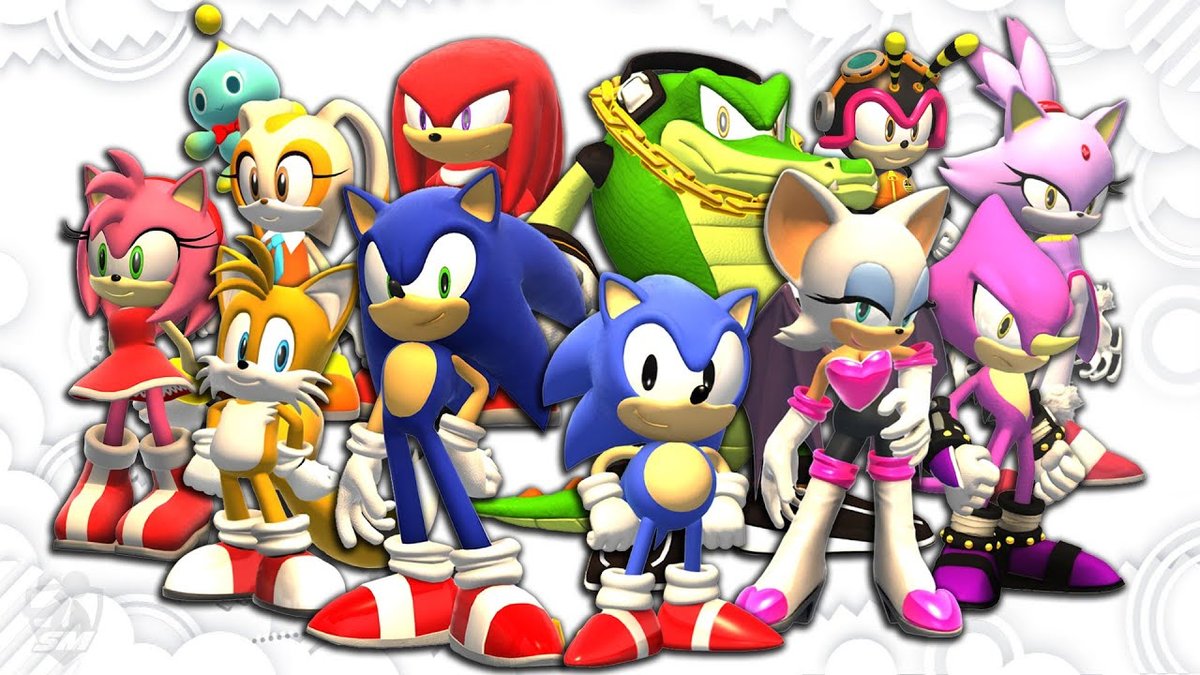
The world of Sonic the Hedgehog is a whirlwind of speed, vibrant worlds, and unforgettable characters, but dig a little deeper, and you'll find rich, evolving narratives that push the boundaries of what a platformer story can be. Among these, the saga of Shadow the Hedgehog stands out as a compelling, multifaceted journey, offering some of the most iconic game appearances and story arcs that extend far beyond the celebratory "greatest hits" compilation of Sonic Generations. In fact, with 2024 hailed as "The Year of Shadow," now is the perfect time to explore the definitive path of SEGA's Ultimate Life Form and trace the broader narrative tapestry of the franchise.
At a Glance: Shadow's Journey & Sonic's Legacy
- Shadow's True Debut: His story truly begins in Sonic Adventure 2, not Sonic Adventure DX, evolving from a vengeful rival to a selfless hero.
- Essential Chapters: To understand Shadow fully, focus on Sonic Adventure 2, Sonic Heroes, Shadow the Hedgehog (2005), Sonic Battle, and Sonic The Hedgehog (2006).
- Team Dynamics: Sonic Heroes introduces Team Dark (Shadow, Rouge, Omega), crucial for his character development.
- Controversial Depths: Shadow the Hedgehog (2005) and Sonic The Hedgehog (2006), despite their reception, are vital for completing his core story and understanding his self-discovery.
- Modern Resurgence: Sonic Forces Episode Shadow DLC and the upcoming Sonic X Shadow Generations offer recent insights and further development.
- Sonic's Evolution: The franchise transitioned from 2D speed-based platformers (Genesis era) to challenging 3D worlds (Dreamcast, post-'06), rebuilding its reputation through games like Sonic Colors and Sonic Generations itself.
- Music & Sales: Sonic's iconic soundtracks evolved with technology, while sales figures highlight early 90s peaks and the significant role of handheld/mobile platforms in recent success.
The Enigma of Shadow: A Story Beyond Generations
For many, Sonic Generations served as a fantastic reminder of why we love Sonic, bringing together classic and modern takes on beloved stages and characters. But for a character as complex as Shadow, a single celebratory title merely scratches the surface. Shadow isn't just Sonic's dark counterpart; he's an anti-hero forged in tragedy, burdened by a past he struggles to remember, and driven by a promise to a fallen friend. His story arcs are a masterclass in character development, showcasing a deep narrative commitment from SEGA that has resonated with fans for decades.
His popularity isn't accidental. Shadow's design, his tragic backstory, and his moral ambiguity made him instantly captivating. It's a testament to his impact that recent film adaptations have heavily drawn inspiration from his debut, making his narrative journey more relevant than ever.
Shadow's Definitive Arc: From Anti-Hero to Ultimate Life Form
Understanding Shadow the Hedgehog isn't just about playing through his levels; it's about piecing together a sprawling narrative that spans multiple games, some more crucial than others. While Sonic Adventure DX sets the stage for the world he enters, it's the subsequent titles that truly define his existence.
Birth of an Icon: Sonic Adventure 2 (2001)
This is it. The undeniable genesis of Shadow's full story. Sonic Adventure 2 is not just a landmark title for the franchise; it’s where we first meet Shadow. Awakened after 50 years, consumed by what he believes is a promise of revenge to his only friend, Maria Robotnik, he emerges as a formidable, hatred-fueled rival to Sonic. The game masterfully intertwines his backstory with Dr. Eggman’s nefarious plans and the tragic history of Project Shadow. By the end, through a gripping twist of fate and memory, Shadow transforms from an antagonist seeking vengeance into a selfless hero, saving humanity alongside Sonic. It’s praised for its innovative dual campaigns, replayability, and engaging gameplay, solidifying its place as the definitive starting point for anyone looking to understand the character. Its storytelling has, notably, heavily inspired recent film events.
Forging Bonds and Finding Purpose: Sonic Heroes (2003)
Following the dramatic conclusion of Sonic Adventure 2, Sonic Heroes acts as a loose, yet crucial, continuation. Shadow's very presence is questioned after his apparent demise, setting up a lingering mystery. More importantly, this game introduces the iconic three-character team mechanic and solidifies the formation of Team Dark: Shadow, the cunning Rouge the Bat, and the formidable E-123 Omega. These relationships are paramount to Shadow's growth. Rouge challenges his aloofness and helps him navigate his identity crisis, while Omega offers a blunt, powerful alliance, creating a dynamic trio that would become a cornerstone of his narrative.
Confronting the Past: Shadow the Hedgehog (2005)
Shadow's standalone title, released in 2005, is perhaps the most ambitious and polarizing entry in his saga. Designed to delve deeper into his true origins and purpose as an artificial weapon, this game sees Shadow grappling with amnesia and the enigmatic alien overlord, Black Doom, who claims to hold the key to his past. The game features branching storylines and multiple endings, requiring players to complete all 10 separate paths to piece together the canonical truth about Shadow's creation and his complex relationship with both Black Doom and his own identity. It's an exploration of existentialism, free will, and the burden of a weapon seeking its own purpose, offering a unique, if sometimes clunky, narrative experience.
Finding Inner Peace: Sonic Battle (2003)
Chronologically, Sonic Battle takes place after Shadow the Hedgehog (2005), despite its earlier release. This GBA fighting game deepens Shadow's characterization significantly as he continues to come to terms with his fragmented memories and his place in the world. The game introduces Emerl, an ancient robot tied to Maria Robotnik, whose presence helps Shadow process his past trauma and solidify his sense of self. It's a more introspective look at Shadow, moving him further away from his initial revenge-driven persona towards a more stable, albeit still brooding, heroism. Emerl's unique connection to Maria makes his appearance in Sonic X Shadow Generations all the more significant.
The Crucible of '06: Sonic The Hedgehog (2006)
Ah, Sonic '06. A name that often elicits groans from fans due to its notoriously rushed development, abundant bugs, and convoluted plot. Yet, within this maligned title lies what many consider to be Shadow's most refined and powerful character portrayal, and the conclusion of his primary story arc. Shadow's campaign in Sonic '06 sees him develop a strong, unwavering sense of self. He tests his values, pushes the boundaries of his relationships with Team Dark, and ultimately solidifies his independence, choosing his own path rather than being defined by his past or his creators. His narrative here showcases him as a truly independent force for good, a mature evolution from his debut. While the game itself is a struggle, Shadow's segments are often cited as the highlight and a compelling reason for his continued fan appeal.
Ephemeral Tales & Deeper Dives (Optional Side Quests)
Not every appearance is central to the main epic, but some offer intriguing glimpses into Shadow's character:
- Sonic Rivals (2006) & Sonic Rivals 2 (2007): These PSP titles offer smaller character details and optional perspectives. Sonic Rivals even features an unlikely, brief alliance between Shadow and Eggman, adding layers to their complex dynamic. They aren't crucial for the overarching saga but provide fun, portable insights.
- Sonic Chronicles: The Dark Brotherhood (2008): This Nintendo DS turn-based RPG features Shadow initially as an antagonist, eventually joining Sonic's team to rescue E-123 Omega. While it provides unique insights into his relationships and leadership qualities, its canonical status is debated due to legal disputes surrounding its development, and some fans have criticized its character representations.
A Modern Retrospective: Sonic Forces Episode Shadow DLC (2017)
Serving as a prequel to the controversial Sonic The Hedgehog (2006), this DLC for Sonic Forces offers three new episodes and the ability to replay modern Sonic levels as Shadow. Despite the base game's mixed reception, this DLC is widely praised as the best part of Sonic Forces. It provides action-packed gameplay and a deeper look into Shadow's past leading up to the events of '06, making it a worthwhile, albeit short, experience for dedicated Shadow fans. It reaffirms his place in the modern Sonic universe and highlights his enduring appeal.
A New Horizon: Sonic X Shadow Generations (2024)
This upcoming release is poised to be both a celebration and a continuation. Described as a pseudo-remaster and a sequel, it's a catalog of Shadow's most iconic moments, allowing players to relive his history. Crucially, it continues his character arc, showing him gaining even greater power through his shared DNA with Black Doom. Explore Sonic X Shadow Generations for a deeper understanding of this game's significance. It promises to provide a deeper understanding of his past while offering an exciting glimpse into his future, solidifying his role in the franchise for years to come.
The Broader Canvas: Sonic's Enduring Legacy & Evolving Narratives
While Shadow's journey provides a focused narrative, it's also part of a much larger, continually evolving franchise history. Understanding Sonic's own trajectory helps contextualize Shadow's iconic appearances and story arcs.
Genesis of Speed: The 2D Era (1991-1994)
The early 90s were Sonic's golden age.
- Sonic the Hedgehog (1991): Launched with the Sega Genesis, it defied expectations, selling over 4 million copies. Its blazing speed, vibrant Green Hill Zone, and engaging gameplay, using dynamic level scaling, defined a generation.
- Sonic the Hedgehog 2 (1992): Building on success, it introduced Sonic's loyal sidekick, Tails, and the iconic Spin Dash move. With over 6 million copies sold, it became the second highest-selling Genesis game, famous for its catchy soundtrack, particularly Casino Night Zone.
- Sonic CD (1993): A technical marvel for the Sega CD, it featured full-motion video, CD-quality music, and a unique time travel mechanic. Despite selling 1.5 million copies (the best-selling Sega CD title), its reach was limited by the peripheral's modest install base.
- Sonic the Hedgehog 3 (1994) & Sonic & Knuckles (1994): The introduction of Knuckles the Echidna brought a new rival and playable character. Shipped as an unfinished game, Sonic 3 required the innovative Sonic & Knuckles "lock-on" cartridge to form the full, near-perfect 2D Sonic experience. This era truly cemented Sonic's identity.
The Rocky Road to 3D
The transition to 3D proved challenging. Early attempts like Sonic 3D Blast (isometric) and the racing game Sonic R on the Sega Saturn struggled with controls and camera, showing that translating Sonic's speed into a new dimension was no easy feat.
Dreamcast Dawn: Finding Footing in Three Dimensions
The Sega Dreamcast era finally saw Sonic find his footing in 3D:
- Sonic Adventure (1999): This title was a revelation. It was the first mainline 3D entry to truly capture Sonic's essence, introducing hub worlds, alternate character gameplay styles, and the beloved Chao Garden mini-game. Selling over 2.5 million copies, it became the highest-selling Dreamcast game and set a new standard.
- Sonic Adventure 2 (2001): As we've seen with Shadow, this game built upon its predecessor's strengths, refining the high-speed Sonic/Shadow stages and diversifying missions for other characters. It's a highlight of the Dreamcast's short but impactful life.
Reclaiming the Crown: Post-'06 Renaissance
After the critical disaster of Sonic '06, SEGA embarked on a mission to rebuild the franchise's reputation:
- Sonic Colors (2010): This game was a breath of fresh air, employing a lighter, tongue-in-cheek tone and cleverly combining 2D and 3D gameplay segments. It incorporated player feedback and was crucial in winning back goodwill.
- Sonic Generations (2011): A true celebration of the franchise's legacy, Generations allowed players to experience classic and modern Sonic gameplay across remade iconic levels. Its memorable music, responsive controls, and engaging design made it a fan favorite and a benchmark for future titles.
- Sonic Mania (2017): A love letter to the 2D era, Sonic Mania was developed by fans for fans. It perfectly invoked the classic Genesis feel with new zones and remixed classics, proving that the 2D formula still had immense appeal.
The Sound of Speed: An Evolving Soundtrack
Sonic's music is as iconic as his speed. From the energetic 6-channel Yamaha YM2612 FM synthesizer tunes of the Genesis era (think Casino Night Zone or Chemical Plant Zone), the soundtracks evolved significantly. Sonic CD's Stardust Speedway Zone introduced CD-quality recordings with deeper instrumentation like the saxophone. The Dreamcast era ushered in vocal theme songs and a shift towards rock anthems, reflecting the more cinematic narratives. Modern games, like Sonic Mania, continue this legacy by masterfully remixing classics and creating new, equally memorable tracks (e.g., Studiopolis Zone Act 1).
Sonic's Sales Saga
The franchise has sold over 800 million units globally, a staggering figure. The early 1990s undoubtedly marked the peak of sales, establishing Sonic as a household name. While the challenges of the 3D transition impacted momentum, the brand's enduring power is clear. Interestingly, ten of the top fifteen Sonic games by sales are from handheld and mobile platforms, with titles like Sonic Dash (over 200 million downloads) playing a crucial role in buoying financials and expanding the blue blur's reach to new audiences.
Why These Appearances Matter: Beyond Nostalgia
The journey through Shadow's story arcs and the broader Sonic franchise history isn't merely an exercise in nostalgia; it's a testament to the power of character development and world-building in video games. Each appearance, whether it's Shadow's dramatic debut in Sonic Adventure 2 or his more nuanced reflections in Sonic Battle, contributes to a larger narrative tapestry.
These games don't just offer gameplay; they explore themes of identity, revenge, self-sacrifice, and friendship. Shadow's transformation from a hatred-fueled weapon to a selfless hero who chooses to protect the very world he once swore to avenge is one of the most compelling arcs in gaming. Similarly, the evolution of the Sonic franchise itself, from its 2D genesis to its often challenging but ultimately rewarding 3D endeavors, reflects a continuous effort to innovate while honoring its roots. This interplay between gameplay and story is what keeps players invested, not just in the speed, but in the heart of these iconic characters.
Navigating Shadow's Universe: Your Playthrough Pathway
Given the depth and sometimes scattered nature of Shadow's story, how do you best experience it?
Recommended Order for Shadow's Story:
- Sonic Adventure 2 (2001): The essential starting point.
- Sonic Heroes (2003): Crucial for Team Dark and post-SA2 events.
- Shadow the Hedgehog (2005): Dive deep into his origins and unlock all endings for the full canonical picture.
- Sonic Battle (2003): (Chronologically after Shadow the Hedgehog) Essential for his memory acceptance and Emerl connection.
- Sonic The Hedgehog (2006): Focus on Shadow's campaign for his powerful concluding arc, despite the game's overall flaws.
- Sonic Forces Episode Shadow DLC (2017): A solid prequel to his '06 story, offering modern gameplay.
- Sonic X Shadow Generations (2024): A fantastic culmination and a look into his future.
Prioritizing Essential vs. Optional Games:
- Essential: Sonic Adventure 2, Sonic Heroes, Shadow the Hedgehog (2005), Sonic Battle, Sonic The Hedgehog (2006), Sonic X Shadow Generations.
- Optional (for deeper lore): Sonic Adventure DX (for world context), Sonic Rivals 1 & 2, Sonic Chronicles: The Dark Brotherhood.
Accessibility Considerations:
Many of these games are available on modern platforms through remasters, collections, or backward compatibility. Sonic Adventure DX and Sonic Adventure 2 are accessible on PC and older consoles. Sonic Heroes is also on PC. The Shadow the Hedgehog standalone game can be harder to find. Sonic Battle requires emulation or original hardware. The Sonic Forces Episode Shadow DLC requires the base Sonic Forces. Sonic X Shadow Generations will be the most accessible modern entry, including a remastered Sonic Generations.
Common Questions About Sonic's Story Arcs
Even for seasoned fans, certain aspects of Sonic's lore can be confusing.
Is Sonic '06 really that bad?
Yes, from a gameplay and technical standpoint, Sonic '06 is widely considered one of the worst-reviewed games in history due to its rampant bugs, poor design choices, and rushed development. However, Shadow's individual story arc within the game is often highlighted as a genuinely strong, well-written conclusion to his character development, making it a compelling, if frustrating, experience for his fans.
Is Sonic Chronicles: The Dark Brotherhood canon?
Its canonicity is highly dubious. Due to legal disputes between SEGA and the game's developer, BioWare, over character rights and music, the events of Sonic Chronicles are rarely referenced in subsequent games. While it offers an interesting narrative and character interactions, it's best viewed as a separate, non-canonical adventure unless explicitly confirmed otherwise by SEGA.
Why is Shadow so popular?
Shadow's enduring popularity stems from several factors: his striking "edgy" design, his complex and tragic backstory involving Maria Robotnik and Project Shadow, his moral ambiguity that makes him more than just a typical hero or villain, and his powerful abilities as the "Ultimate Life Form." He offers a darker, more serious counterpoint to Sonic's carefree attitude, resonating with players who appreciate deeper character exploration and anti-hero archetypes.
Stepping Into Shadow's Shoes
Exploring the iconic game appearances and story arcs beyond Sonic Generations reveals a rich tapestry of narrative and character development, especially when focusing on Shadow the Hedgehog. His journey is one of self-discovery, overcoming tragedy, and forging an identity independent of his creators. It’s a testament to the enduring power of these games that such profound narratives can be found amidst high-speed action and vibrant worlds.
As "The Year of Shadow" unfolds, there's never been a better time to dive into these titles, revisit his defining moments, and appreciate the depth of his character. Whether you're experiencing his story for the first time or reliving the adventure, Shadow's path from a rival consumed by hatred to a selfless hero is a saga that continues to captivate and inspire. So, grab your controller, prepare for speed, and immerse yourself in the definitive legend of the Ultimate Life Form.